


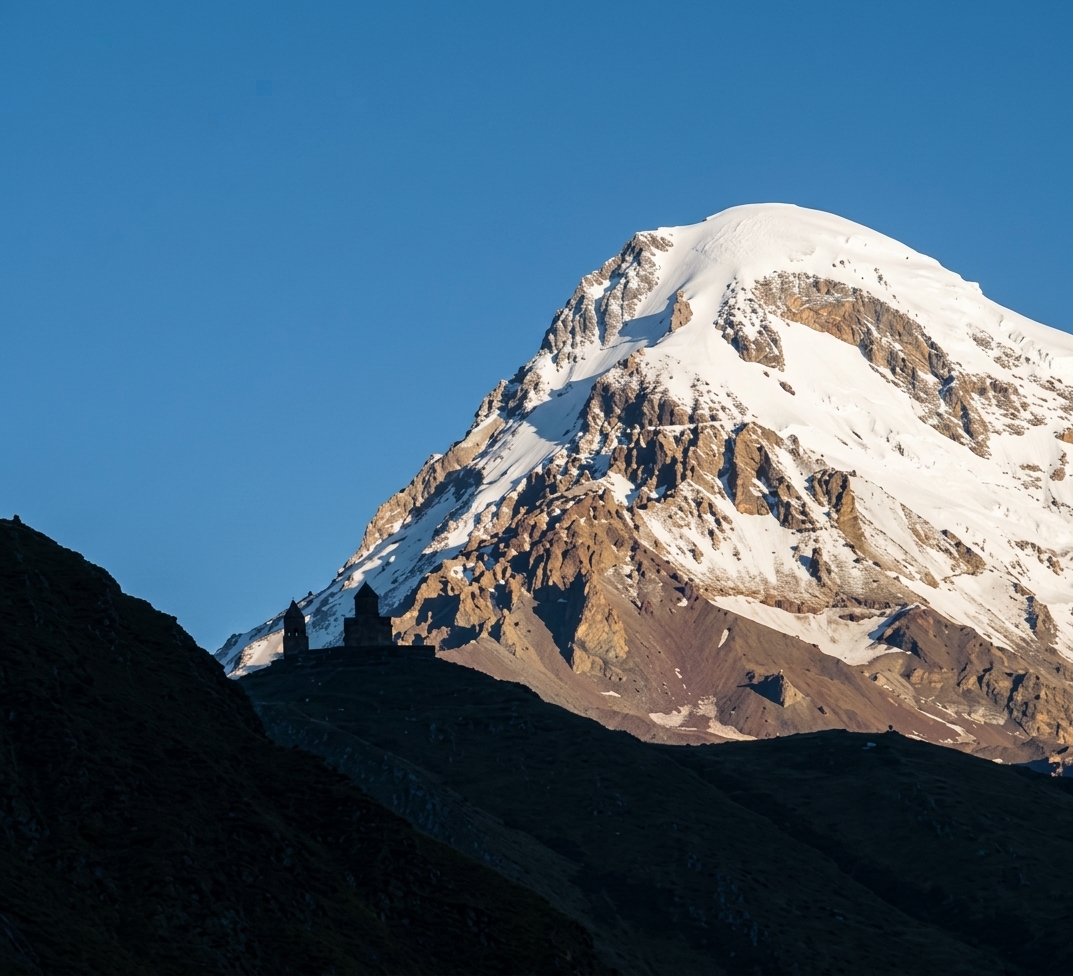
A Georgian supra rarely begins with the main course. First come the greetings, the bread, the wine, and the toast that gives everyone at the table a reason to listen. That unhurried generosity is the right way to approach Georgia cultural tours. This is not a destination to race through between landmark photos. Its real character appears in the space between places: a roadside church, a family cellar, a mountain tower seen from a winding road, or a guide explaining why a feast has its own rituals.
For travelers coming from the United States, Georgia offers a striking mix in a manageable geographic area. Ancient Christian monasteries, Soviet-era cityscapes, Caucasus villages, fertile wine country, and Black Sea streets can all belong to one trip. The challenge is not finding things to see. It is giving each experience enough time to mean something.
What Makes Georgia Cultural Tours Different
Georgia’s cultural landscape is layered rather than neatly separated into history, food, religion, and scenery. A visit to the sixth-century Jvari Monastery is also a lesson in early Christianity, a panoramic view over the meeting of the Aragvi and Mtkvari rivers, and a natural pairing with nearby Mtskheta, the country’s former capital. A meal in Kakheti is never only a meal when it introduces clay qvevri wine, regional cheeses, fresh bread, and the tradition of the tamada, or toastmaster.
That is why an organized cultural itinerary can be more rewarding than assembling isolated stops. Local guides add the stories that turn stone walls and painted frescoes into living places. Reliable transportation also matters. Georgia’s most memorable regions are often reached by mountain roads, and travel times can shift with weather, traffic, or road conditions.
A good itinerary leaves room for the unexpected. The small bakery beside a market, the elderly woman selling churchkhela, and the hillside viewpoint outside a famous monastery may become the moments travelers talk about most after they return home.
Choose Your Cultural Route by Interest
There is no single correct first trip to Georgia. The best route depends on whether your strongest pull is toward wine, sacred sites, mountain heritage, architecture, or food. Most first-time visitors begin in Tbilisi and combine it with two or three regions rather than trying to cover the whole country.
Tbilisi and Mtskheta for city life and sacred history
Tbilisi is a city of contrasts: carved balconies over narrow Old Town lanes, sulfur baths, contemporary cafes, Orthodox churches, synagogues, and traces of Persian, Russian, Armenian, and European influence. Start with a walking tour rather than treating the city as only an arrival point. The stories behind districts such as Sololaki, Abanotubani, and the Dry Bridge area reveal how many communities have shaped the capital.
Mtskheta, about a short drive from Tbilisi, is one of the easiest and most meaningful cultural day trips. Svetitskhoveli Cathedral and Jvari Monastery are central to Georgia’s Christian heritage, yet the setting keeps the experience from feeling museum-like. Go early or later in the afternoon if possible, when the sites are calmer and the light over the valley is softer.
Kakheti for wine, food, and village rhythms
Kakheti is the natural choice for travelers who want to understand why Georgia describes itself as the cradle of wine. Here, vineyards sit beside monasteries, fortified hill towns, and family homes where winemaking remains part of daily life. A qvevri cellar visit is especially valuable because it explains the difference between tasting Georgian wine and understanding its method. Large clay vessels are buried underground, and wine is fermented and aged in contact with skins according to traditions that reach back millennia.
Plan for more than one tasting. A thoughtful Kakheti itinerary balances wineries with places such as Sighnaghi, Telavi, Gremi, Alaverdi, or the hilltop monastery of Bodbe. It should also include food. Khachapuri, mtsvadi grilled meat, pkhali vegetable spreads, and seasonal produce make sense in their regional setting, not just on a restaurant menu in the capital.
Kazbegi, Svaneti, and Tusheti for highland traditions
Georgia’s mountains are not simply a scenic backdrop. In Kazbegi, the approach to Gergeti Trinity Church puts a famous symbol of the country against the dramatic slopes of Mount Kazbek. The route from Tbilisi along the Georgian Military Highway also passes fortresses, reservoirs, and the mountain landscape of the Greater Caucasus.
Svaneti offers a deeper immersion in highland heritage. Its medieval defensive towers, particularly around Mestia and Ushguli, reflect centuries of isolated mountain life. Reaching the region takes longer than a Kakheti day trip, so it deserves several nights. The reward is a place where hiking, village visits, local cuisine, and architecture naturally belong together.
Tusheti and Khevsureti are even more remote and are best for travelers comfortable with basic conditions and long, sometimes demanding road journeys. These regions can be extraordinary, but they are not interchangeable with an easy cultural weekend. Access is seasonal, weather-dependent, and part of the adventure. Choose them when you want mountain culture on its own terms, not when every day must run on a tight schedule.
Build a Pace That Lets Culture Land
A five- to seven-day trip can give first-time visitors a colorful introduction: Tbilisi, Mtskheta, Kakheti, and Kazbegi are a strong combination. With 10 to 14 days, add Kutaisi and its nearby monasteries and caves, spend time in Svaneti, or continue to Batumi for a different view of Georgia’s Black Sea culture.
Trying to include Tbilisi, Kakheti, Kazbegi, Svaneti, Vardzia, Kutaisi, and Batumi in one week usually creates more windshield time than discovery. It may look efficient on a map, but mountain roads and rewarding meal stops change the math. A smaller route with overnight stays in the right places often feels far richer than a checklist itinerary.
The same principle applies to guided day tours. They are excellent for travelers with limited time, especially from Tbilisi, but a multi-day program offers a better chance to meet hosts, enjoy regional dinners without rushing back, and experience a destination at morning and evening rather than only at its busiest hours.
Small Etiquette Choices Make a Big Difference
Georgian hospitality is warm, expressive, and often generous. Accepting a small taste of food or wine, asking about a family recipe, and showing interest in a host’s story are simple ways to respond in kind. At a supra, listen for the tamada’s toast before raising your glass. You do not need to drink alcohol to participate – a nonalcoholic drink is completely acceptable.
Modest clothing is appropriate at active monasteries and churches. Women may be asked to cover their heads and wear a wrap skirt, while men should avoid shorts inside some religious sites. Photography rules vary, particularly indoors, so ask before taking pictures of worshippers, clergy, or icons.
A few Georgian words go a long way. Gamarjoba means hello, madloba means thank you, and gaumarjos is a common expression heard in toasts. Pronunciation does not need to be perfect. The effort is appreciated.
When to Travel for Culture, Food, and Landscapes
Late spring and early fall are especially appealing for cultural travel. May and June bring green valleys and pleasant city temperatures, while September and October offer grape harvest energy in Kakheti, golden mountain landscapes, and a festive feeling around food and wine. Harvest time is popular, though, so availability for hotels, guides, and cellar experiences can be tighter.
Summer works well for Svaneti, Tusheti, and other highland areas when passes and hiking routes are more accessible. Tbilisi and Kakheti can be hot, making early starts and slower afternoons worthwhile. Winter brings a quieter side of the country, along with snow sports in mountain resorts, but remote-road access may be limited. For a culture-first trip with easy regional movement, spring or fall is usually the safer choice.
Let Logistics Support the Experience
The most memorable cultural trips often depend on practical details travelers do not see at first: an experienced driver on a mountain route, a guide who knows which cellar is open that day, accommodations near the evening atmosphere, and enough flexibility for weather changes. This is where a local operator can make a real difference, particularly for groups, families, and visitors combining cultural stops with hiking, cycling, or winter activities.
Colour Tour Georgia can shape a route around ready-made cultural programs, private departures, day tours from Tbilisi, regional hotels, and transfers, so travelers do not have to choose between authenticity and dependable planning. The right trip may be classic and comfortable, active and remote, or centered almost entirely on wine and cuisine.
Leave a little empty space in your itinerary. In Georgia, the invitation to stay for one more toast, one more view, or one more story is often where the country becomes unforgettable.